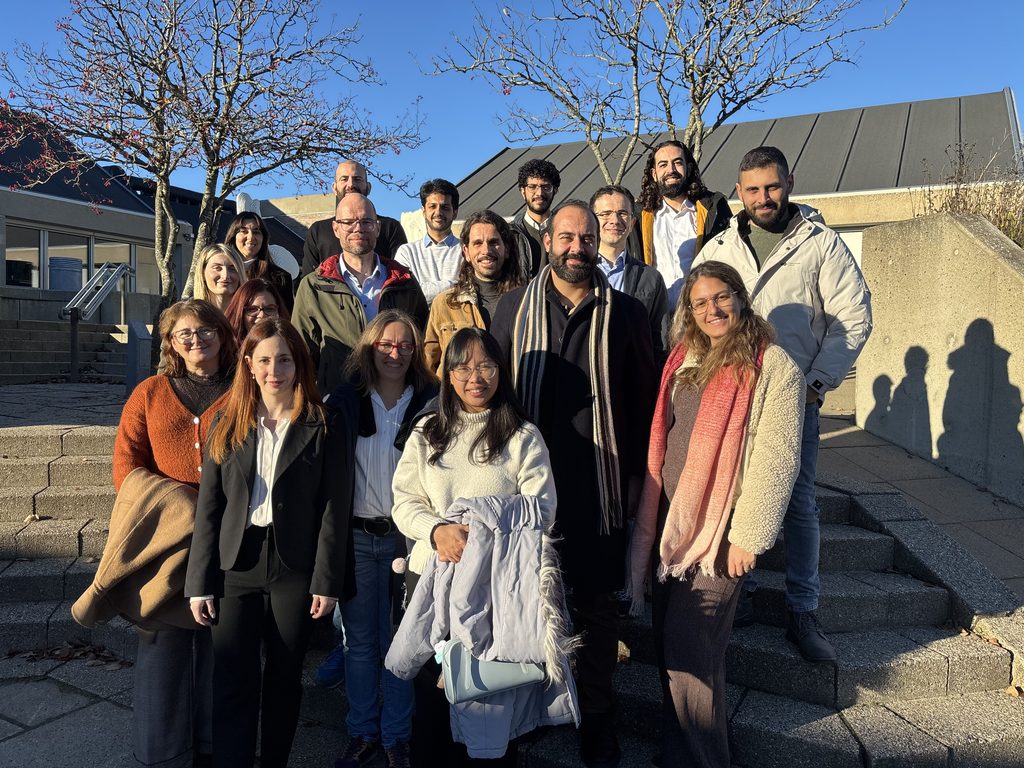
On November 3rd and 4th 2026, we gathered in Aalborg, Denmark, hosted by our colleagues from Aalborg University.
The project aims to transform microalgae into advanced biofuel, to decarbonize “hard-to-electrify” sectors. These sectors currently rely almost entirely on fossil fuels and account for approximately one-third of total transport-related emissions in the EU.
Here are a few highlights from what we discussed:
𝗖𝘂𝗹𝘁𝗶𝘃𝗮𝘁𝗶𝗼𝗻 𝗮𝗻𝗱 𝗘𝘅𝘁𝗿𝗮𝗰𝘁𝗶𝗼𝗻 The 10 m² pilot plant, which combines semi-transparent #photovoltaic films with the AlgoFilm photobioreactor, is now operational; outdoor cultivation campaigns were successfully completed over the summer. Meanwhile, large-scale biomass production for project partners is underway, and extraction using ionic liquids is proving highly efficient for lipid recovery, with the added benefit of good solvent recyclability.
𝗛𝘆𝗱𝗿𝗼𝘁𝗵𝗲𝗿𝗺𝗮𝗹 𝗟𝗶𝗾𝘂𝗲𝗳𝗮𝗰𝘁𝗶𝗼𝗻 Our HTL system has been built, automated, and commissioned. Rapid, high-intensity heating within the CSTR enables higher “biocrude” yields compared to using a tubular reactor alone. Furthermore, kinetic and multiphysics models are helping us gain a deeper understanding of yields, heat transfer, and fouling phenomena. Work also continues on the post-treatment of the biocrude, aimed at achieving a quality suitable for subsequent refining processes.
𝗦𝘆𝘀𝘁𝗲𝗺 𝗜𝗻𝘁𝗲𝗴𝗿𝗮𝘁𝗶𝗼𝗻 𝗮𝗻𝗱 𝗖𝗶𝗿𝗰𝘂𝗹𝗮𝗿𝗶𝘁𝘆 From dark fermentation to the extraction and valorization of volatile fatty acids (VFAs), through to nutrient recovery and the electrochemical treatment of the aqueous phase derived from HTL, we are working to close the loop and make the process more circular. Initial integration analyses, which include CO₂ recycling and heat recovery, highlight promising opportunities and clearly define the next steps.
𝗣𝗿𝗼𝗰𝗲𝘀𝘀 𝗗𝗲𝘀𝗶𝗴𝗻 𝗮𝗻𝗱 𝗔𝘀𝘀𝗲𝘀𝘀𝗺𝗲𝗻𝘁 Simulations of various pathways for SAF production, such as HTL, HEFA, and Dark Fermentation, feed into TEA and LCA, complemented by risk and sensitivity analyses. All of this informs the COCPIT Project decision-support tool, designed to help investors identify the most sustainable and profitable paths for SAF production.
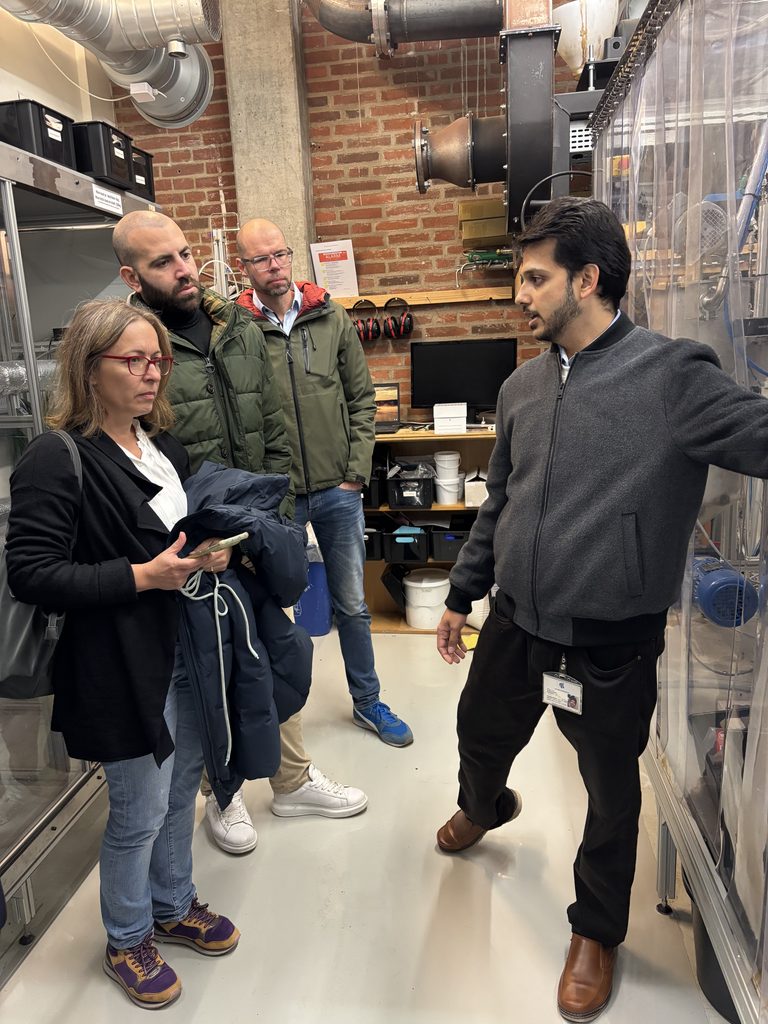
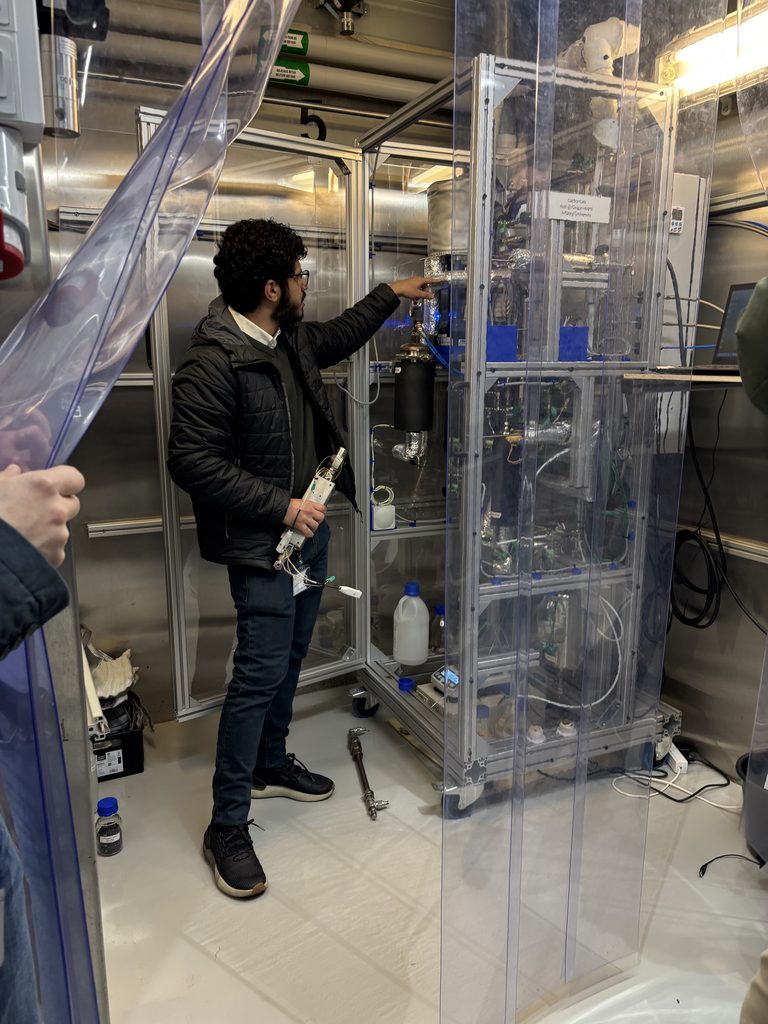
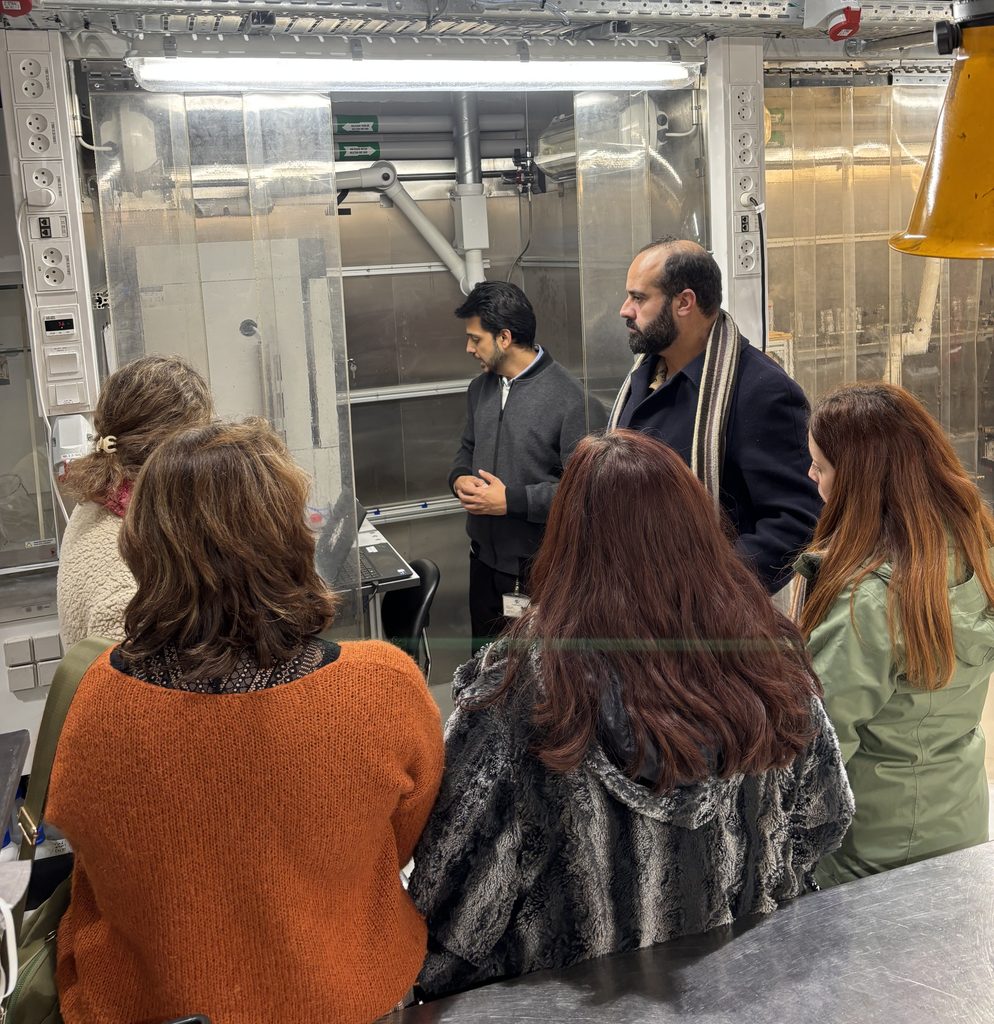
As part of the meeting, we also had the opportunity to take an inspiring lab tour of the AAU Lab, where colleagues work on transforming microalgae-derived biocrude into biofuels (via HTL and upgrading). They showed us their facilitie and explained their ongoing work: validating these processes under continuous, realistic operating conditions, with the goal of producing drop-in fuels, specifically jet fuel and marine diesel.