
Last week, COCPIT participated in the European Biomass Conference and Exhibition (EUBCE 2025), held from 9 to 12 June in Valencia, Spain. The project was represented by the coordinator IMT Atlantique, together with partners HELLENIQ Energy, Universitat Rovira i Virgili and ETA Florence.
COCPIT participated in different activities during the event, including:
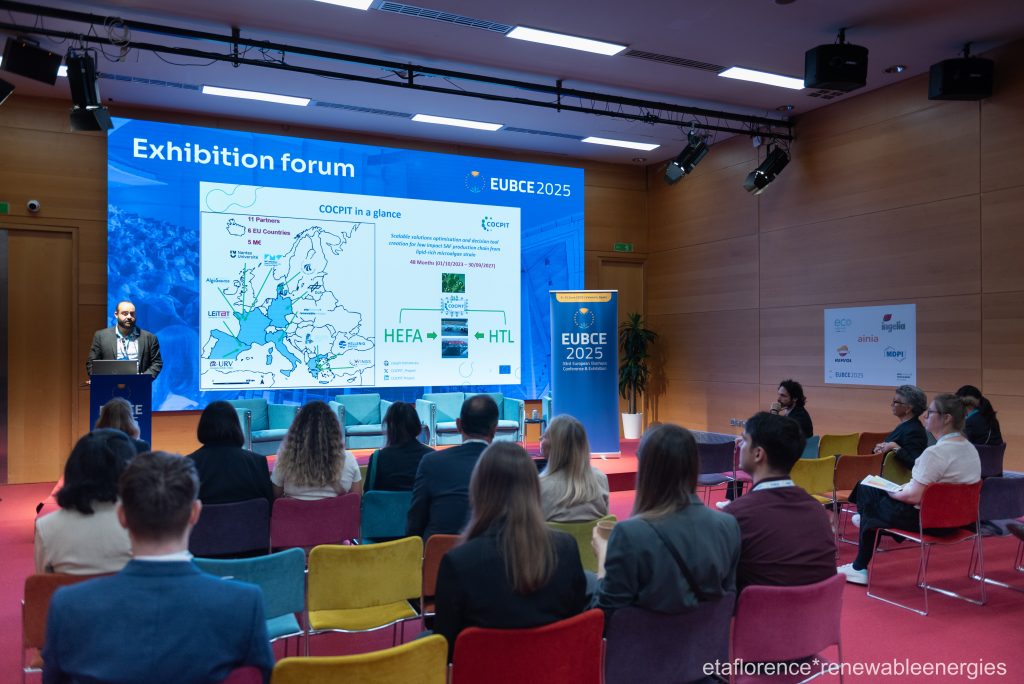
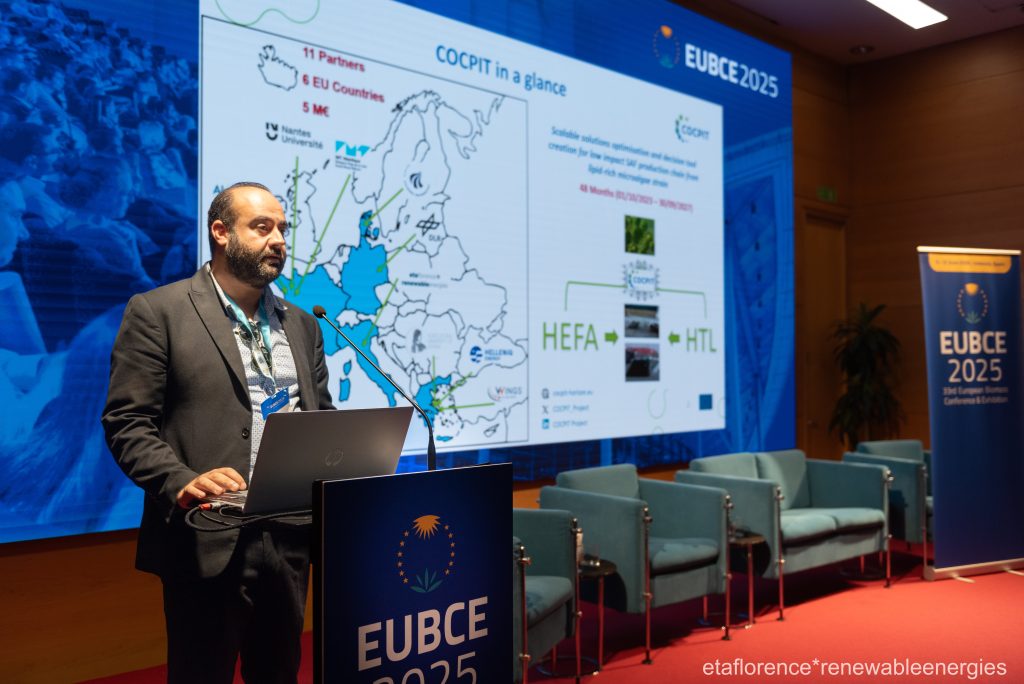
A presentation of the project in the Exhibition Forum, which gave participants an overview of COCPIT’s objectives and current work packages progress.
Participation of HELLENIQ Energy in a parallel discussion organised by the M2ARE project, with contributions from other Horizon Europe projects: SEAFAIRER, Fuel-Up and POSEIDON. The discussion focused on the technological challenges and opportunities related to adapting biofuels to existing marine engines and how different projects are addressing these obstacles; feedstock options for scalable and sustainable production, exploring which types are most promising for maritime applications; testing and certification requirements to ensure safety and performance and how efforts are being made to harmonise these standards across the sector; the market challenges, identifying needs to accelerate the adoption of biofuels in maritime transport, and many other aspects.
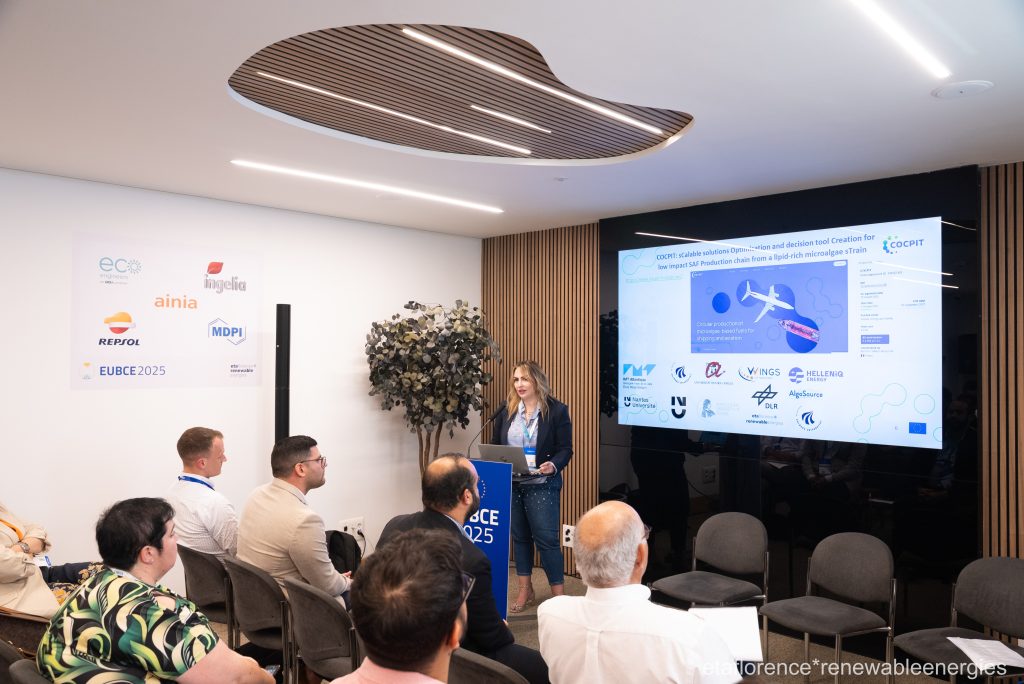
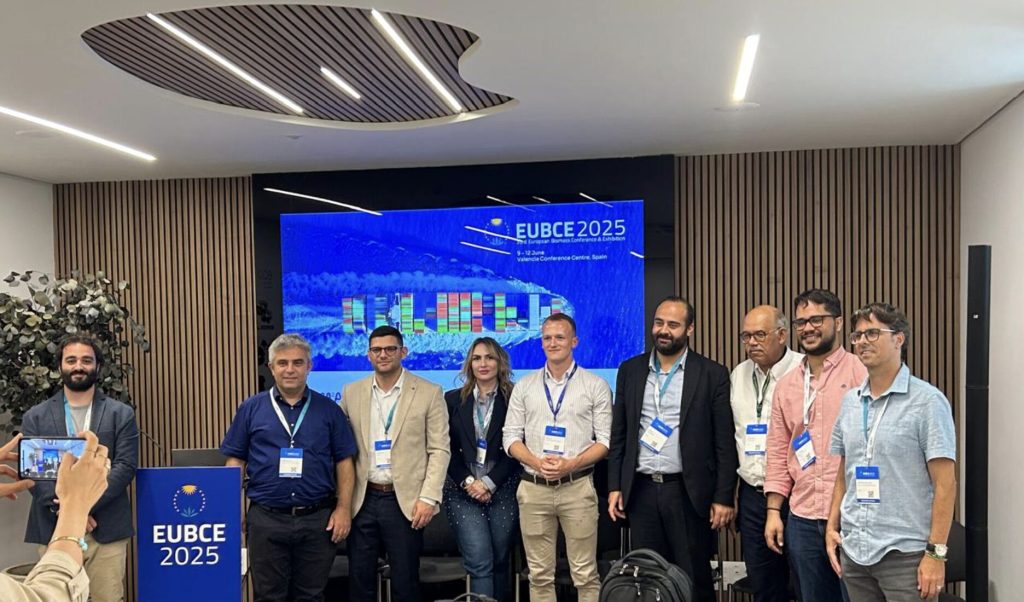
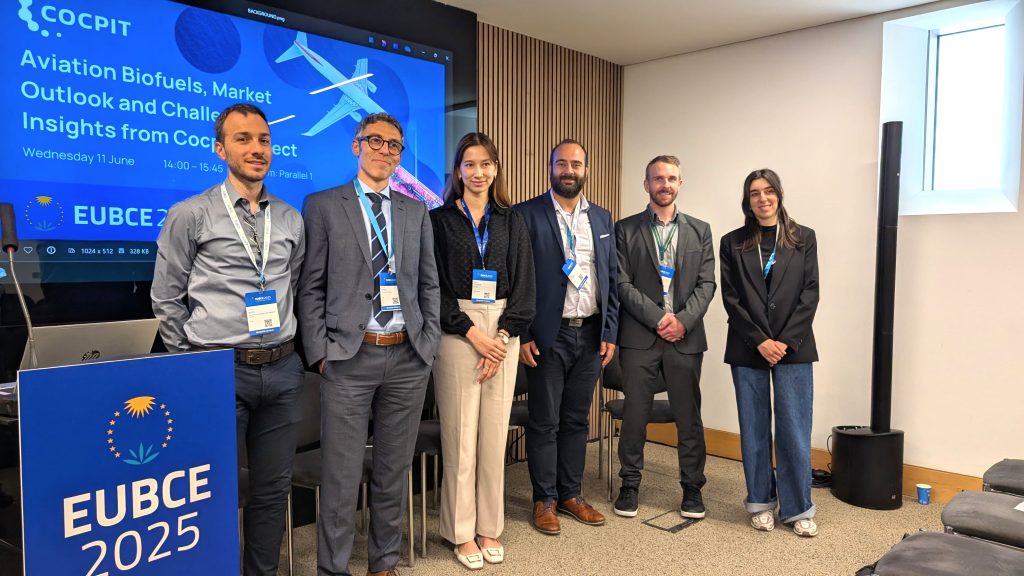
A parallel event, organised by COCPIT and entitled “Biofuels for aviation, market perspectives and challenges”, featured in-depth contributions from:
Dusita De Hoop, SKYNRG, outlined the SAF market outlook to 2035, addressing the current state of the market and SAF development in different regions
Marco Buffi, Joint Research Centre (JRC), focused on Sustainability requirements for SAF in the EU, with a particular emphasis on GHG accounting and regulatory contributions.
Stephen Dooley, Trinity College Dublin, shared insights from the EU SAF Clearing House on deployment status, regulatory hurdles, and upcoming opportunities.
Matteo Prussi, Politecnico di Torino, explored the Certification landscape, explaining the role of ICAO and the CORSIA scheme in supporting carbon neutrality
The event revealed that SAF is recognized globally as a crucial “drop-in” solution, necessary for the aviation sector to achieve its decarbonization goals, including ICAO’s long-term collective goal of net-zero emissions by 2050. Currently, the ReFuelEU Aviation Regulation mandates a 70% increase in SAF in the fuel mix by 2050, but global demand for SAF is expected to increase, reaching approximately 195 Mt per year by 2050. However, current capacity projections indicate that supply is expected to outstrip demand, creating a significant supply gap of approximately 23 Mt by 2035.
A critical challenge is the projected “tipping point” around 2030, after which the availability of HEFA (oils and fats) feedstocks will no longer meet global demand, requiring the adaptation of advanced pathways. SAF fuels, whether bio-based or renewable non-biological (RFNBO/e-SAF), must meet stringent lifecycle sustainability criteria, such as achieving at least 70% greenhouse gas savings compared to fossil aviation fuel in the EU. ICAO’s CORSIA framework uses SAFs to reduce offsetting obligations, provided the fuels meet minimum CO2 emission reduction criteria (10% compared to the baseline) and are certified by sustainability certification schemes (SCS). To accelerate market readiness, the EU SAF Clearing House offers specialized services, including technical pre-screening and sustainability assessment, helping new manufacturers navigate the complex OEM approval process (ASTM D4054). Ultimately, the large-scale implementation of advanced SAF pathways requires collective action to address market and technological risks, ensuring a sustainable and future market.
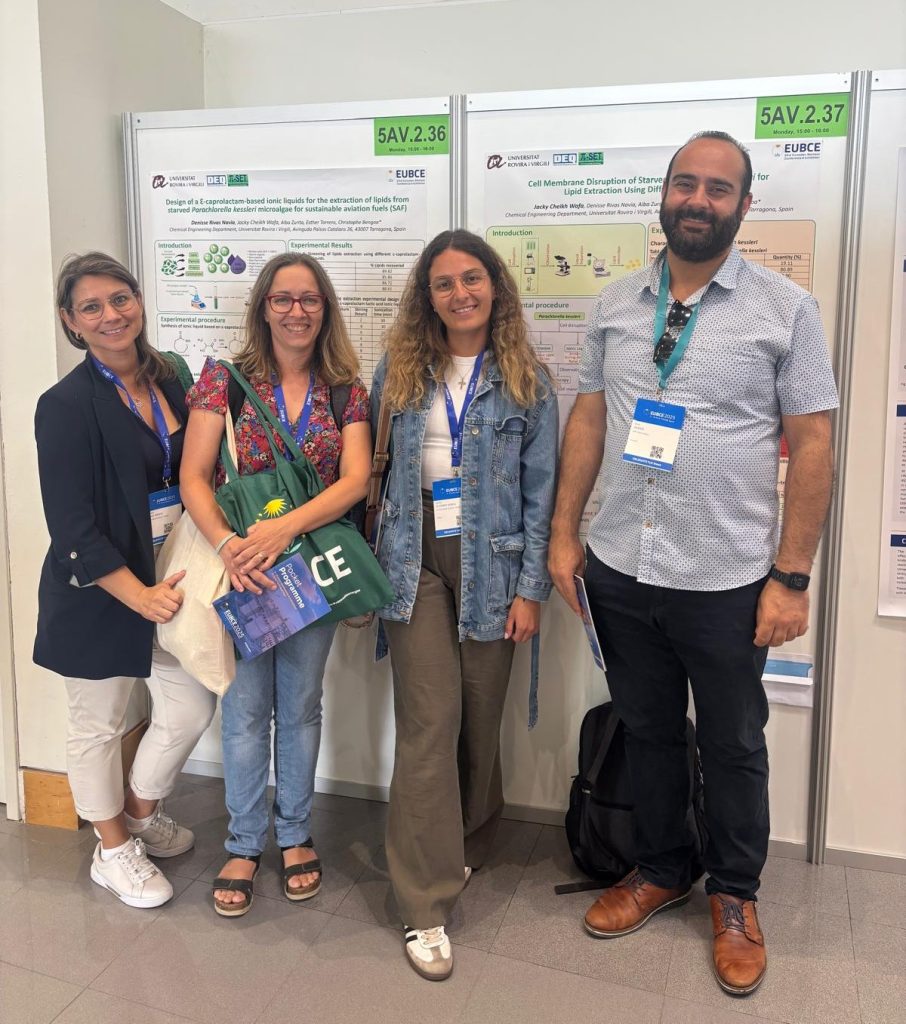
Our project partner Universitat Rovira i Virgili presented three scientific posters focused on optimizing lipid extraction from Parachlorella kessleri, a microalga with strong potential for biofuel production. The first study compared four cell disruption techniques, highlighting the high effectiveness of ionic liquids, microwave treatment, and bead milling. The second poster introduced and validated novel bio-based ionic liquids, achieving lipid extraction efficiencies above 91% and confirming the suitability of the resulting FAME profile for sustainable aviation fuel applications. The third study explored the nanomechanical properties of P. kessleri under nitrogen-starvation, showing how changes in cell morphology and wall rigidity affect pretreatment efficiency. Together, these studies provide critical insights for improving downstream processes in COCPIT’s algae-based fuel value chain.
These events provided a valuable platform to discuss the role of sustainable fuels for aviation and marine, current market trends, regulatory and technical challenges, while promoting synergy with other funded projects and initiatives working towards a more sustainable future.
Follow us on Linkedin to stay updated and write to us to find out more about COCPIT!